Expert guides for Seattle EV owners.
Practical, honest content on installation costs, charger brands, rebates, and what actually changes the scope of a Level 2 charging project.
Home charger installs
Route into the residential path for garages, driveways, detached garages, and homeowner-first planning.
Commercial and shared parking
Route into the commercial path for workplaces, multifamily sites, fleets, and phased rollout questions.
Use the guides to narrow the scope, then move into the install path that matches the property, power, and permit flow.
How This Page Works
Read the top guide first. Search the archive when the question gets narrower.
The main column keeps only the strongest high-intent guides visible. Everything else moves into a compact archive explorer so the page stays useful instead of turning into a giant card wall.
I need install cost and scope figured out
Start with pricing, panel capacity, and permit path before comparing charger hardware or rebate details.
Start here →I need home charging planned correctly
Use the hardware, charger placement, hardwired-vs-outlet, and install timeline guides to set the project up right.
Start here →I need permits, rebates, or local rules
Jump straight to Seattle permit rules, Washington incentives, and county-specific install guidance.
Start here →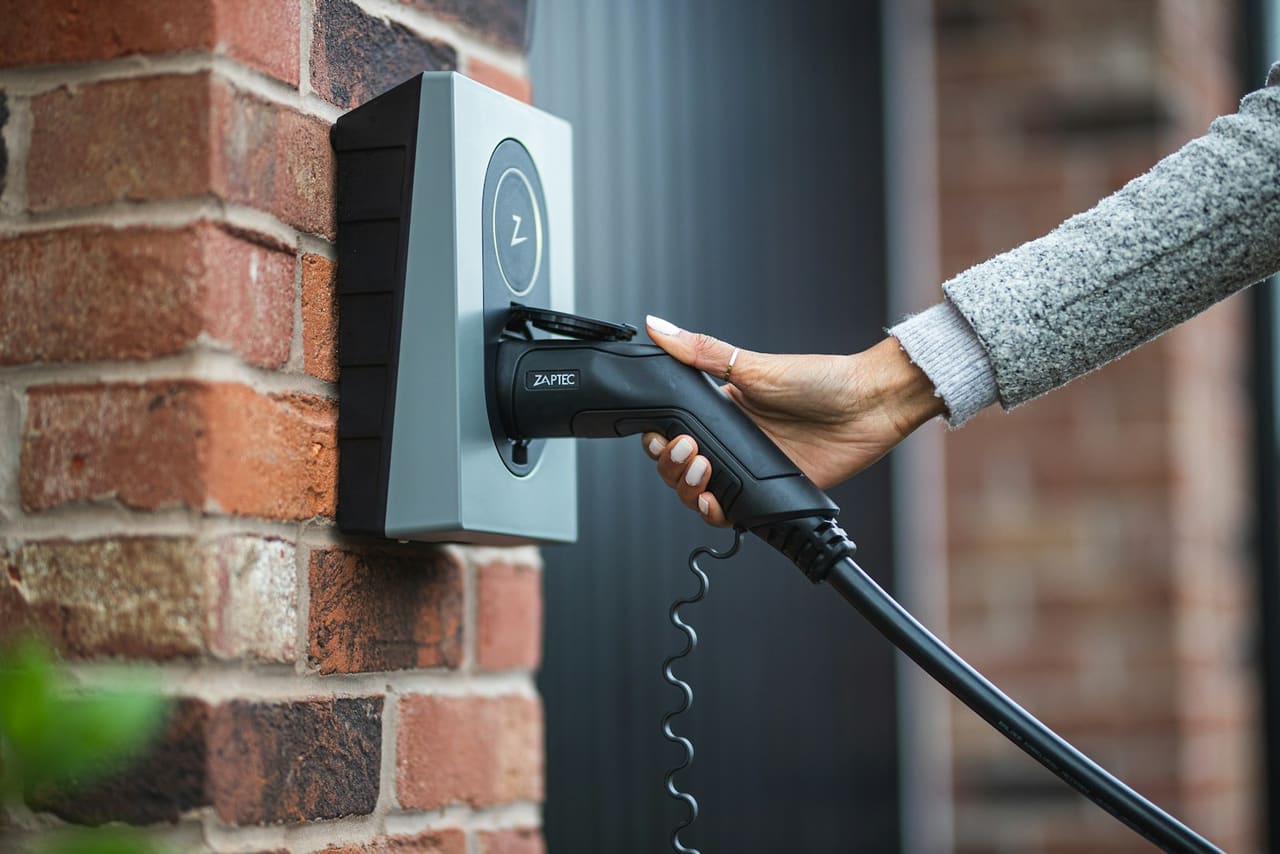
Do You Need an Electrical Panel Upgrade for an EV Charger?
A panel upgrade is not automatic, but many older Seattle-area homes need one before a 240V charger goes in. This is the best starting point if you are still figuring out real scope, not just hardware.
- Cost context before you call
- Panel capacity and decision points
- Permit path and what actually changes the quote
Archive Search
Search by question, then filter by topic.
This page is organized around the searches homeowners make before calling: install cost, permits, charger hardware, panel scope, rental constraints, and county-specific planning.
Showing all topics.
Costs & Savings
10 guides
EV Charger Installation Cost Guide 2026
The real cost breakdown, what drives pricing, and how rebates change the net number.
Home EV Charging vs Public Charging: The Real Cost Comparison
See how per-mile charging costs change when you charge at home versus relying on public networks.
WA State EV Charger Rebates & Incentives 2026
Federal, state, and utility programs that affect your real out-of-pocket project cost.
EV Charger Tax Credit 2026
A focused guide on the federal tax credit and what qualifies as an eligible installation expense.
Snohomish PUD EV Charger Rebate Guide 2026
How to claim the SnoPUD rebate and stack it with federal and Washington incentives.
EV Charger Lifetime Cost Analysis for Homeowners
Understand full ownership cost, charger lifespan, and where home charging savings really show up over time.
Bellevue EV Charging Cost by Utility Rate
Use Bellevue utility rates and charging habits to estimate what home charging really costs each month.
PSE Time-of-Use EV Charging Savings Guide
See when time-of-use scheduling creates real EV savings and when the math is less impressive than people expect.
EV Charger ROI and Break-Even Guide
Break down payback period, annual savings, and which driving patterns justify the installation fastest.
Stacking EV Charger Rebates in Washington State
See how federal, utility, and local savings programs can combine when the paperwork and project scope line up.
Brands & Features
11 guides
Best Home EV Charger Brands Guide
Tesla Wall Connector, ChargePoint, JuiceBox, Grizzl-E, and Emporia compared in plain language.
ChargePoint Home Flex Installation Guide for Seattle Homeowners
Circuit requirements, permit steps, and hardwired versus outlet options for the Home Flex.
Emporia EV Charger Installation Guide
Why Emporia is a strong fit for homes where load management and future capacity matter.
How to Choose the Right EV Charger for Your Home
A buyer's guide for amperage, connectors, app features, and future vehicle flexibility.
Are Smart EV Chargers with Wi-Fi Worth It?
When app controls, energy tracking, and scheduling actually change the value of the charger.
Tesla Wall Connector Installation in Seattle
What Tesla owners need to know about circuit sizing, permits, and installation reality.
Wallbox Pulsar Plus Installation Guide for Homeowners
A practical look at Wallbox hardware, compact mounting, smart controls, and home-install fit.
Grizzl-E Smart vs Classic Guide for Home Charging
Compare rugged basic charging against smart controls so the hardware choice matches the install plan.
Tesla Universal Wall Connector Guide
A guide to Tesla’s universal charger for households that want NACS and J1772 flexibility in one install.
EV Charger App Comparison Guide for Homeowners
Use app quality, scheduling, and energy-tracking differences to judge smart charger value more clearly.
Best Outdoor EV Chargers for Rainy Climates
Evaluate weather resistance, mounting, cable handling, and exposed-install durability for rainy regions.
Installation Planning
12 guides
Where to Mount Your EV Charger in the Garage
How charger placement changes installation cost, cable reach, convenience, and routing difficulty.
EV Charger Installation Checklist: What to Prepare Before You Call
Photos, measurements, and scope details that make the quote more accurate on the first pass.
How Long Does EV Charger Installation Take?
The timeline from first contact to final inspection, and what adds days when panel work is involved.
How Long Does an EV Charger Last?
Understand charger lifespan, replacement timing, and which usage patterns age equipment faster.
Level 1 vs Level 2 vs Level 3 EV Charging Explained
Compare charging speeds, power requirements, and why Level 2 is usually the homeowner target.
NEMA 14-50 vs Hardwired EV Charger: Which Is Better?
Plug-in flexibility versus hardwired performance, code considerations, and long-term reliability.
EV Charger Performance in Cold Weather and Winter
How cold weather affects charging speed and what Seattle-area homeowners can do about it.
Detached Garage EV Charger Installation Guide
Detached garages change routing, feeder sizing, and cost. This guide shows where scope expands first.
Outdoor Carport EV Charging Guide
Use this guide to plan a weather-aware EV charger setup for carports and uncovered parking areas.
EV Charger Cable Management Guide for the Garage
Small cable-management decisions change everyday charging convenience more than many homeowners expect.
Future-Proofing a Home for Two EVs
Plan once for one EV and tomorrow for two by thinking through panel capacity, parking flow, and expansion paths.
EV Charger Timeline from Seattle to Bellevue
Follow the project timeline from quote to inspection so schedule expectations stay realistic.
Panel & Electrical Scope
8 guides
Do You Need an Electrical Panel Upgrade for an EV Charger?
Load calculations, panel age, service size, and the real reasons an upgrade becomes necessary.
EV Charger Load Management Guide for Homeowners
See when smart power-sharing can help a tight panel and when it does not replace a real upgrade.
EV Charger Installation in Older Seattle Homes
Older panels, legacy wiring, detached garages, and what makes older homes a different kind of job.
How to Read Your Electrical Panel for EV Charging
Understand panel labels, breaker space, and capacity clues before the charger quote starts.
100-Amp Panel EV Charger Options for Homeowners
A practical guide to 100-amp homes, charging speed tradeoffs, and upgrade risk.
200-Amp Service EV Charger Capacity Guide
Many 200-amp homes still need a real capacity review. This guide explains why.
Subpanel vs Main Panel EV Charger Guide
Use this guide to see when a subpanel is a workable charging source and when the main panel is the better path.
EV Charger Load Calculation Guide for Homeowners
Load calculations decide whether a charger stays simple, needs management, or triggers bigger electrical work.
Permits & Code
7 guides
EV Charger Installation Permit in Seattle, WA
Why permits matter, how the process works, and what changes when you try to skip the inspection path.
Bellevue EV Charger Permit Guide for Homeowners
A Bellevue-focused permit guide covering inspection expectations, timing, and what homeowners should prepare.
Bellevue Permit Process for EV Chargers
A Bellevue-focused walkthrough of permit planning, inspection flow, and homeowner prep.
King County EV Charger Code Guide
A county-wide look at EV charging code expectations, permit logic, and where scope complexity shows up.
NEC 2023 EV Charging Rules in Washington
A practical code guide for homeowners who want to understand what inspectors and electricians are looking for.
Seattle EV Charger Inspection Checklist for Homeowners
Use a real inspection checklist to avoid surprises at the end of the install.
Outdoor EV Charger Code Guide for Home Installations
A code-focused guide to outdoor chargers, exposed installs, and weather-aware planning.
Property Types
7 guides
EV Charger Installation for Renters and Condos
Approvals, shared parking, HOA process, and what is realistic in a non-single-family setup.
EV Charging for Multi-Family Housing and Apartments
Deployment strategy, tenant use, and load-management considerations for multi-unit properties.
Condo EV Charging HOA Approval Guide
Use this guide to plan a condo charging proposal that makes sense to HOAs and owners alike.
Renter EV Charging Request Guide
A practical guide to asking for EV charging as a renter without skipping the infrastructure questions that matter.
Townhome EV Charger Planning Guide
Townhomes look simple until parking, HOA rules, and routing start to overlap. This guide sorts that out.
Duplex and Triplex EV Charging Guide
Small multi-unit properties need a charging plan that balances ownership, access, and electrical capacity.
Mobile Home EV Charger Guide
A focused guide to EV charging in mobile-home settings where service limits and park rules matter early.
Local Area Guides
7 guides
EV Charger Installation in King County: The Complete Guide
Permits, utility rebates, and city-by-city coverage across the King County markets you serve.
EV Charger Installation in Snohomish County
County-specific permit context, SnoPUD rebates, and what installs look like north of Seattle.
Redmond EV Charger Installation Guide
A Redmond-focused guide to home charger planning, permit expectations, and neighborhood housing patterns.
Issaquah EV Charger Installation Guide
An Issaquah-specific guide to charger planning, local housing patterns, and realistic install scope.
Sammamish EV Charger Installation Guide
A Sammamish guide to charger placement, panel review, and permit-ready planning for local homes.
Bothell EV Charger Installation Guide
A Bothell-focused guide to local housing patterns, charger planning, and realistic electrical scope.
Woodinville EV Charger Installation Guide
A Woodinville guide to charger routing, panel planning, and the details that shape cleaner installs.
Commercial Charging
6 guides
Commercial EV Charging Station Installation Guide
Site planning, incentives, infrastructure choices, and ROI considerations for business charging projects.
Workplace EV Charging Installation Guide
A commercial guide to planning employee charging around demand, operations, and future expansion.
Retail Parking Lot EV Charging Guide
Use this guide to think through customer charging, visibility, site flow, and power planning in retail environments.
Fleet Charging Depot Planning Guide
A planning guide for fleet depots where route timing, power demand, and growth matter from day one.
Commercial DC Fast Charger Guide
A practical guide to the power, utility, cost, and site questions behind DC fast charging.
Property Manager EV Charging Guide
A guide for property managers balancing tenant demand, billing, infrastructure cost, and long-term scalability.
No guides match that search yet.
Try a broader term like cost, permit, panel, Tesla, rebate, or Seattle.
Quick Answer Hub
Get the straight answer before you open another tab.
This section is here for the high-intent questions that usually decide whether the project is simple, medium scope, or a full panel-and-permit job.
What makes one charger install cheap and another expensive?
The charger itself is only part of the number. The real price moves when the parking space is far from the panel, the run crosses finished walls or concrete, the service is undersized, or the install needs trenching, subpanel work, or a service upgrade.
- Shortest path from panel to charger usually wins
- Higher amperage often means larger breaker, wire, and scope
- Older homes can change the quote quickly
Do you really need a permit and inspection for a home charger?
For a new 240V EV circuit, the permit path is usually the correct path. It protects the homeowner because breaker sizing, conductor sizing, grounding, GFCI rules, disconnect logic, and equipment mounting all need to match the actual charger setup—not just a generic outlet install.
- Permits matter more when the charger is hardwired
- Inspection becomes more important when panel work is involved
- Skipping code steps can complicate resale or insurance questions later
How do you know whether the panel can handle a Level 2 charger?
The answer is not based on panel size alone. A 100-amp panel may still work at a lower charging rate, and a 200-amp panel can still be tight if the home already carries large electric loads. The real answer comes from service size, appliance mix, and load-calculation headroom.
- Load management can sometimes avoid a full upgrade
- Older Seattle homes need closer scrutiny
- Detached garages and long feeder paths can shift the decision
What charger setup is best for most homeowners?
Most homeowners do best with a Level 2 charger sized to daily driving needs, not theoretical maximum speed. That usually means choosing between a straightforward 32-amp to 40-amp setup and a faster 48-amp hardwired install if the electrical capacity is there.
- Hardwired is usually cleaner for 48-amp charging
- Smart features matter most when rate scheduling or load management matters
- Cable length and charger placement matter more than people expect
Can this be a one-day install, or is it usually longer?
A clean install with clear access, enough panel capacity, and a straightforward wiring path can often be completed quickly once the permit path is lined up. The schedule expands when service upgrades, drywall repair, utility coordination, or older-home issues enter the picture.
- Planning photos up front reduce delays
- Panel and permit issues are the biggest schedule changers
- Commercial and multi-family projects take a different planning cycle
What changes when the install is in a condo, rental, apartment, or commercial property?
Ownership and infrastructure rules take over. In these jobs, the key questions are who approves the work, which meter or panel serves the parking area, how access is controlled, and whether shared charging or load management is needed instead of a one-to-one residential setup.
- Assigned parking is often the gating issue
- Shared electrical infrastructure changes the design
- Commercial projects are more about site planning than charger shopping
Review condo and renter constraintsRead the multi-family guide
Planning Paths
Start with the version of the project that looks like yours.
If you already know your scenario, this is the fastest way to get from a broad archive to the exact guide that answers the next practical question.
Older home with limited panel headroom
Best if the home has a 100-amp service, an older panel brand, a detached garage, or existing electrical work that looks like it may constrain the charger size.
Read the older-home guide →Tesla, ChargePoint, or Emporia buyer deciding on hardware
Best if the project is mostly about charger choice, amperage, smart features, connector fit, and whether the install should be hardwired or plugged in.
Compare the main charger brands →Condo, renter, or multi-family parking setup
Best if approval rights, common-area power, assigned parking, or shared charging strategy are the real blockers instead of the charger hardware itself.
See the property-constraint guide →Business, fleet, or commercial property install
Best if the project involves multiple ports, customer charging, employee charging, or site planning decisions that go far beyond a residential branch circuit.
Open the commercial planning guide →
Archive FAQ
Common EV charging questions answered on one page.
Think of this as the short-form version of the archive. You can get the fast answer here, then open the deeper guide only if you want the full breakdown.
What size charger should most homeowners actually install?
For most daily driving, a Level 2 charger in the 32-amp to 48-amp range is the real target. The best size depends on panel headroom, how much you drive, and whether you want the cleanest install or the fastest possible overnight recovery. For the full comparison, start with the charger selection guide.
Can a 100-amp panel still support EV charging?
Sometimes yes. A 100-amp service does not automatically block a charger, but it raises the odds that the final answer will involve a lower charging rate, load management, or a service upgrade. The decision depends on the home's real electrical load, not just the label on the panel. See the panel-capacity guide.
Is hardwired almost always better than a plug-in charger?
For higher-amperage charging, outdoor installs, and a cleaner permanent setup, hardwired usually wins. Plug-in chargers can still make sense when flexibility matters and the circuit is sized correctly. If that decision is the main blocker, read the hardwired vs NEMA 14-50 guide.
How much can rebates and tax credits really reduce the project cost?
Incentives can change the net number meaningfully, but they do not usually erase the importance of scope. Federal tax credit eligibility, Washington-specific programs, and utility rebates all depend on current program rules and the type of installation. Start with the rebates guide and the tax credit guide.
What if the charger needs to go outside or far from the panel?
Long runs and outdoor mounting are normal, but they often increase labor, conduit, wire size, and route complexity. That is why charger placement is one of the simplest ways to reduce avoidable cost. The fastest planning reference is the charger placement guide.
Do smart chargers with Wi-Fi actually matter?
They matter most when you want scheduled charging, utility-rate optimization, usage tracking, or load-management features. If you just need reliable overnight charging and do not care about app controls, a simpler charger may be enough. Compare the trade-offs in the smart charger guide.
What is different about installing in a condo or rental?
The biggest changes are approval rights, access to the serving panel or meter, parking ownership, and the limits of shared infrastructure. Condo and renter projects are often less about charger brand and more about what the property actually allows. See the condo and renter guide.
How should a business or apartment owner think about EV charging differently?
These projects start with use case and infrastructure strategy, not just charger model. Port count, access control, future expansion, electrical demand, and revenue or amenity goals all matter more. Start with the commercial charging guide or the multi-family guide.
Service Area
Keep the local footprint visible, then give readers one clear next step.
These guides are written for homeowners across Seattle, the Eastside, South King County, and Snohomish County. If the research is done, the next move is a scoped quote with the actual panel and parking layout in view.
Done researching? Let's get your install scoped.
Tell us your parking setup, panel details, and charger goals. We'll map the full electrical path and respond within 2 business hours.
Installations by Clarity Electric LLC, Licensed & Insured in Washington State